
System Overview
Product surface backed by a nutrition decision stack.
The page is organized the same way the product is built: mobile client, API layer, nutrition data, AI reasoning, auth, and deployment.
Mobile App
API Layer
Nutrition Data
AI Engine
Platform
Feature Breakdown
Each product screen maps to a concrete engineering subsystem.
Feature 01
Food Decision Engine
Feature
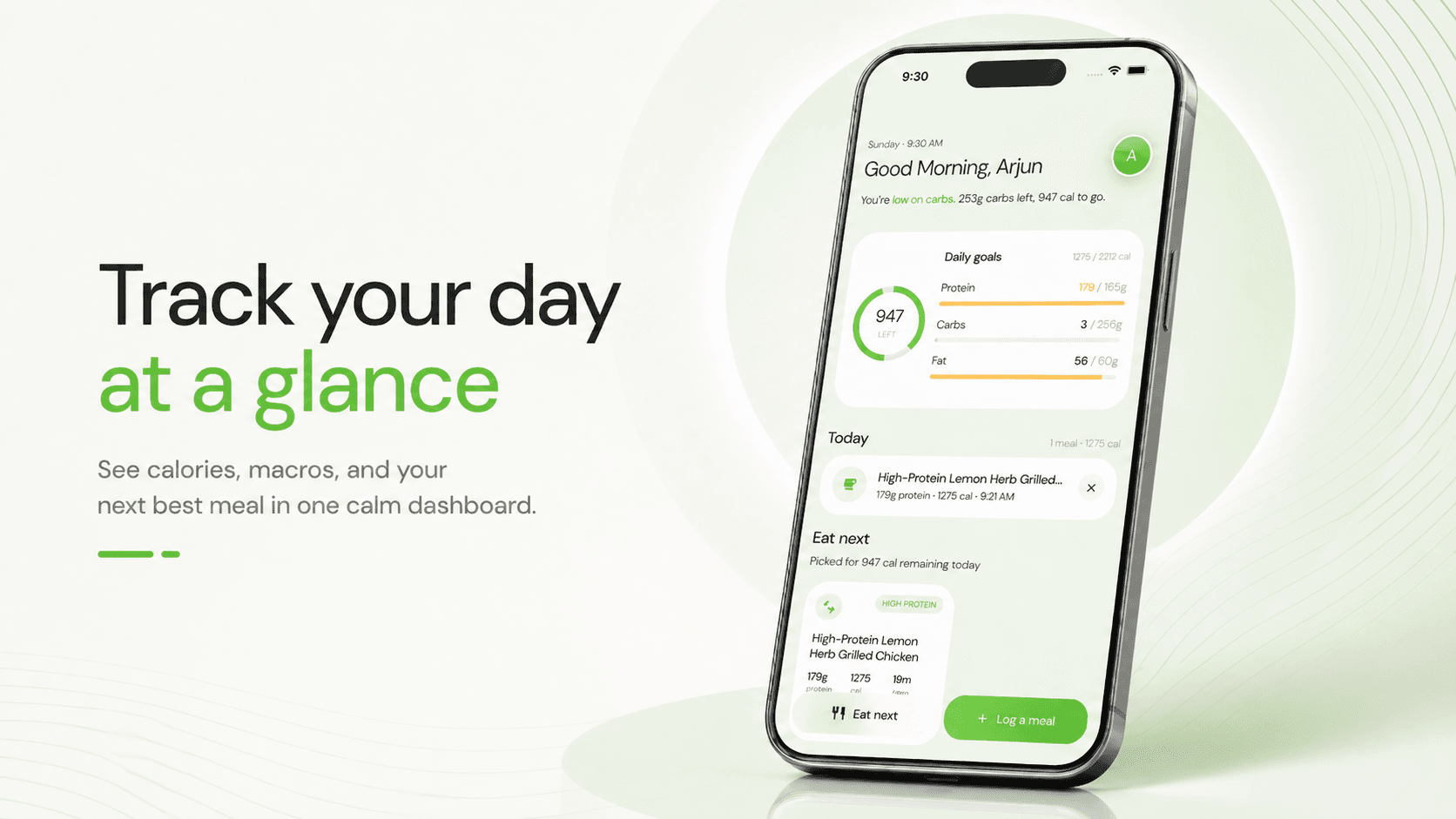
The core loop takes macro targets, time, taste, budget, location, and user intent, then returns one next meal instead of a ranked list of options.
How I Built It
I modeled the product around a binary order-or-cook decision. The mobile client collects constraints with typed React Native flows, the API normalizes those inputs, and the scorer weighs macro fit, time-to-eat, cost, preference match, and confidence before the LLM writes the recommendation.
Tools
Infra / Engineering
Feature 02
Next-Meal Generation Pipeline
Feature
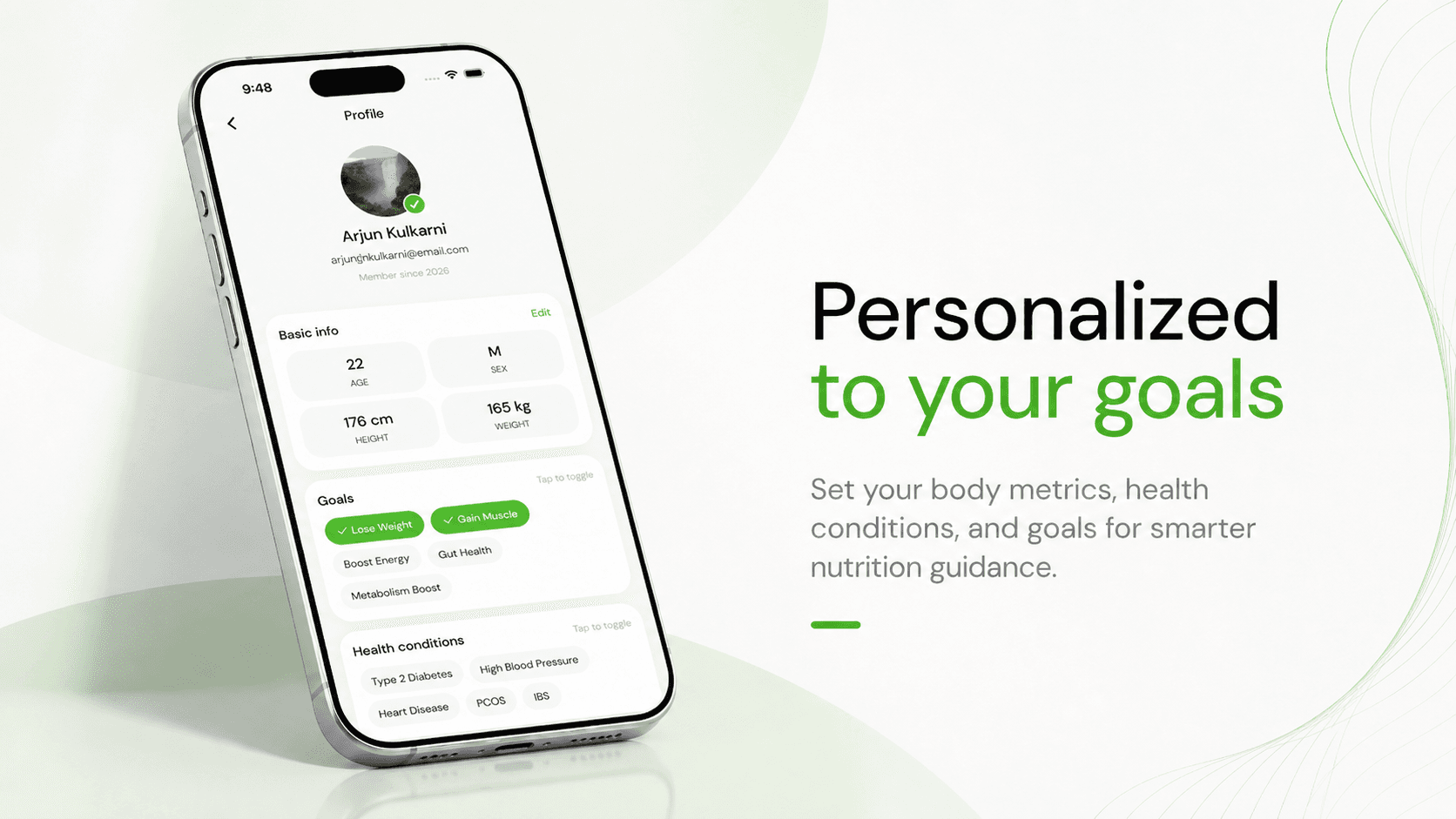
Culin feels conversational, but the response is assembled from structured nutrition context, user memory, and validated output fields.
How I Built It
The generation path builds a compact context packet with remaining macros, diet rules, recent meals, preferred cuisines, and candidate foods. The model returns a meal card with reasoning, substitutions, macro estimates, and a next action. Validation keeps the response usable by the mobile UI.
Tools
Infra / Engineering
Feature 03
Nutrition Data Layer
Feature
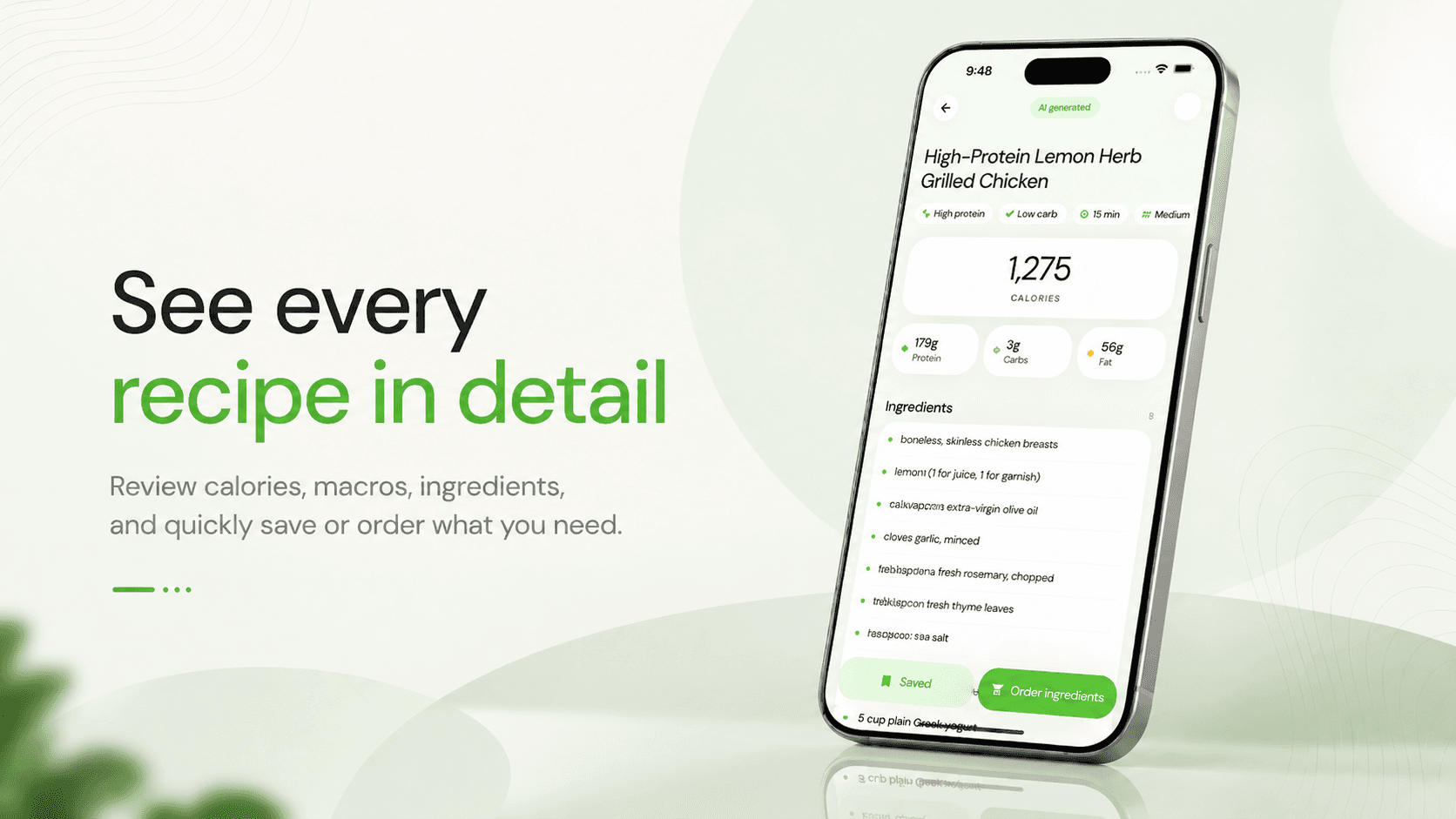
The nutrition layer estimates calories, protein, carbs, and fats from real food data instead of relying on generic chatbot guesses.
How I Built It
I designed ingestion and matching around USDA/FatSecret-style datasets, normalized food names, serving units, and macro fields, then used fuzzy matching to connect user-friendly food descriptions to structured records. This lets the app show macro confidence and explain where estimates came from.
Tools
Infra / Engineering
Feature 04
User Memory, Auth, and Protected State
Feature
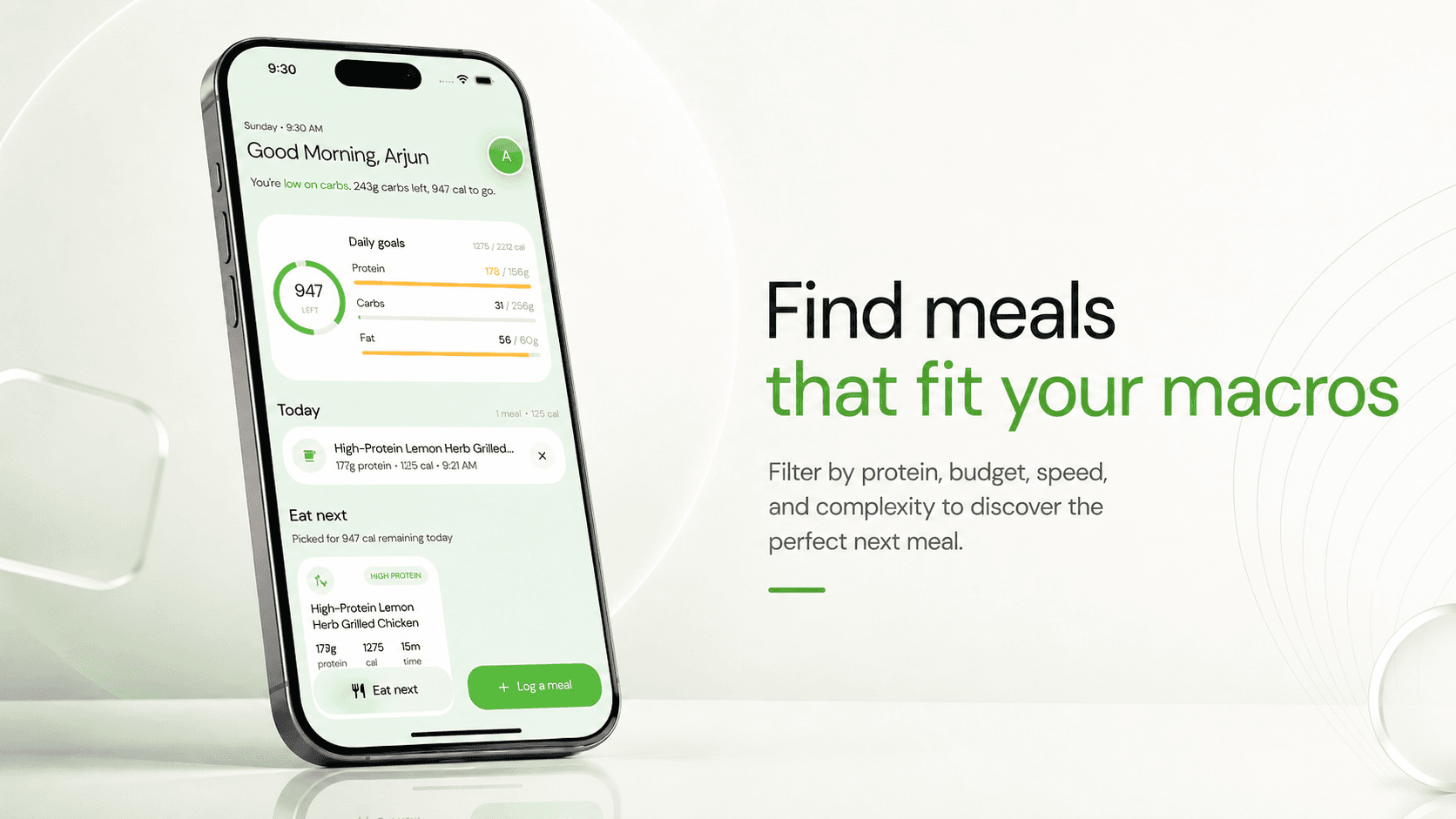
Culin remembers goals, preferences, allergies, diet rules, and meal feedback so recommendations improve without making users re-enter context.
How I Built It
The app separates local mobile state from account-backed state. Fast preferences can be cached on-device, while durable profile data and meal history live behind authenticated APIs. Cognito/OIDC and JWT verification protect user-specific endpoints.
Tools
Infra / Engineering
Feature 05
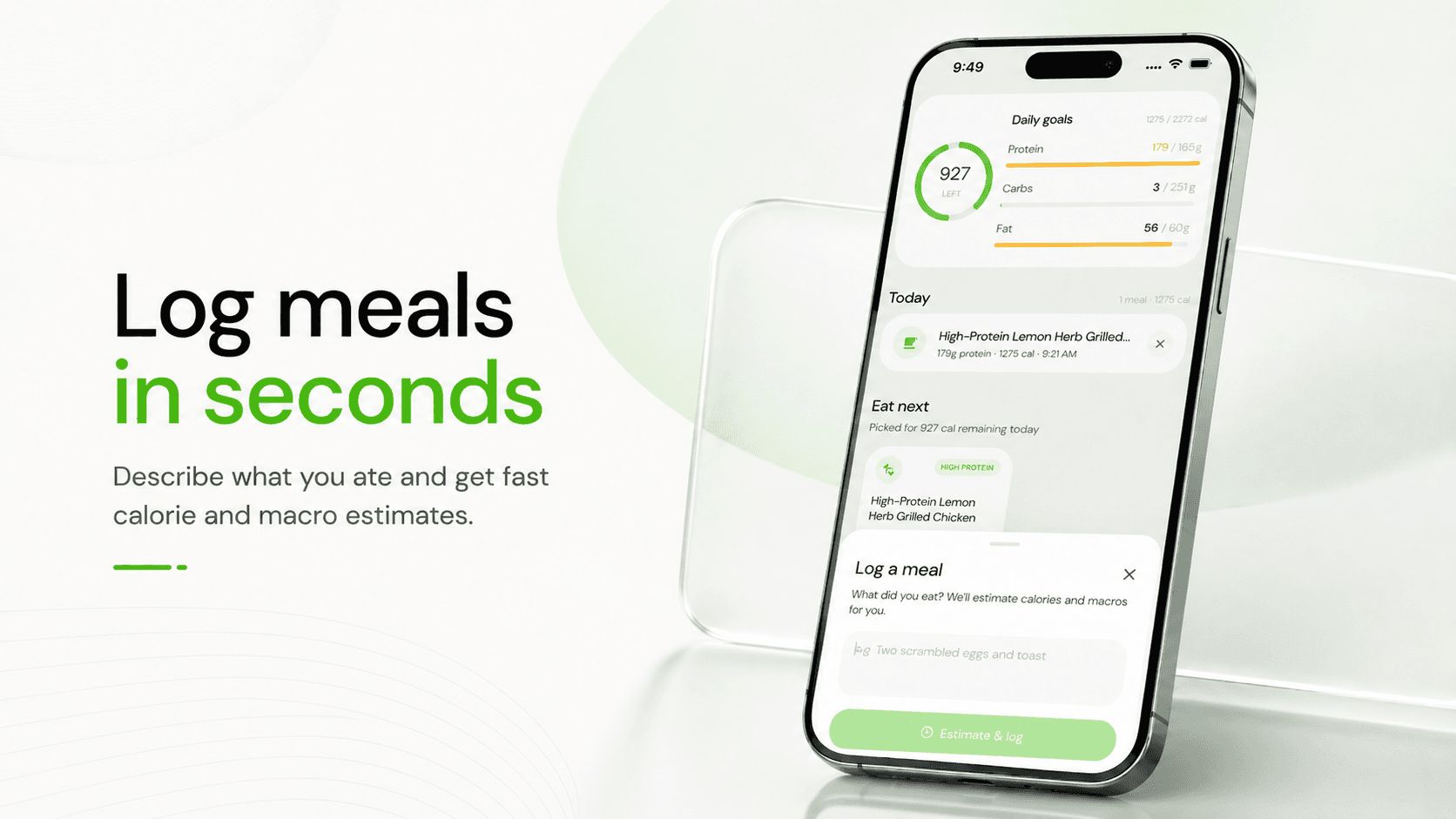
Order-or-Cook Handoff
Feature
After the decision is made, the product turns it into an action: a restaurant-style order path or a grocery/cook path.
How I Built It
The backend keeps the handoff modular. Restaurant/menu matching, grocery list generation, recipe ingredients, and external links can evolve independently while the mobile UI renders the same action card pattern. That keeps Culin from becoming tied to one vendor integration.
Tools
Infra / Engineering
Implementation Map
The engineering surface area behind Culin v1.
The project combines mobile app development, API contracts, AI orchestration, auth, data ingestion, and deployment work into one cohesive product.
React Native/Expo mobile client with route-based screens, reusable nutrition cards, and local persistence for fast onboarding state.
Next.js and FastAPI services split product-facing API work from heavier Python nutrition/data workflows.
PostgreSQL-backed food, user, and recommendation records with migration-friendly schemas and explicit validation boundaries.
Engineering Notes
What the project demonstrates
React Native/Expo mobile client with route-based screens, reusable nutrition cards, and local persistence for fast onboarding state.
Next.js and FastAPI services split product-facing API work from heavier Python nutrition/data workflows.
PostgreSQL-backed food, user, and recommendation records with migration-friendly schemas and explicit validation boundaries.
LLM provider layer supports OpenAI, Anthropic, Gemini, and Bedrock-style integrations without coupling UI logic to a single model.
Dockerized services and environment-based configuration make local testing, deployment, and API troubleshooting repeatable.